-171x57.png)
Introduction
Pet hair can be difficult to remove from clothing, bedding, towels and other fabrics, especially in households with dogs and cats that shed frequently.
Loose hair can cling to fabrics because of static electricity, fabric texture and the natural oils carried by pet hair. Once hair becomes embedded in clothing or bedding, simply running a normal wash cycle may not remove all of it.
The good news is that the right combination of laundry detergent, pre-wash preparation, washing techniques and drying methods can significantly improve pet-hair and pet-odor management.
In this guide, we’ll explain:
- Why pet hair sticks to clothes
- Whether laundry detergent can remove pet hair
- What to look for in a laundry detergent for pet owners
- How to remove pet hair before washing
- How to wash clothes, blankets and bedding with pet hair
- Which laundry products can help
- What retailers, distributors and brands should consider when developing pet-focused laundry products
Why Does Pet Hair Stick to Clothes?
Pet hair does not simply sit on the surface of clothing. Several factors can make it difficult to remove.
1. Static Electricity
Static electricity can cause loose pet hair to cling to fabrics, particularly synthetic materials such as polyester and fleece.
Reducing static can therefore help make loose hair easier to remove during laundry care. Anti-static treatments are also commonly used to reduce the tendency of fibers and particles to cling to one another.
2. Fabric Texture
Different fabrics hold pet hair differently.
Fleece, wool-like fabrics, flannel and some synthetic textiles can trap fine hairs more easily than smoother fabrics.
3. Natural Oils and Residues
Pet hair can carry natural oils, dander and other particles. These materials can contribute to the adhesion of hair to textile fibers.
4. Hair Structure
Pet hair can be fine, lightweight and difficult to separate from textile fibers. Cats and dogs may also shed different types and amounts of hair depending on breed, season and individual characteristics.
For this reason, effective pet-hair laundry care usually requires more than simply choosing a stronger detergent.
Does Laundry Detergent Remove Pet Hair?
One important point is often misunderstood:
Laundry detergent does not literally dissolve pet hair.
Instead, an effective laundry process can help loosen hair, remove soils and oils, reduce static and allow loose particles to be carried away during washing and rinsing.
Laundry detergent formulations commonly use functional ingredients such as surfactants to help remove soils. Depending on the formulation, enzymes may also be used to target certain types of stains and organic residues. The U.S. EPA describes surfactants as ingredients that help with cleaning by reducing surface tension, while enzymes are treated as a separate functional ingredient class in its Safer Choice criteria.
This is why pet-hair removal should be viewed as a complete laundry process, rather than a single-product solution.
What to Look for in a Laundry Detergent for Pet Hair
If you’re choosing a laundry detergent for a household with dogs or cats, several formulation characteristics are worth considering.
1. Effective Cleaning Performance
A good laundry detergent should effectively remove dirt, oils and organic residues from fabrics.
This is especially important for pet bedding, blankets and towels, which may accumulate more soil than ordinary clothing.
The American Cleaning Institute notes that deeper-cleaning detergents may use combinations of enzymes and surfactants to address heavier stains and soils.
2. Odor-Control Performance
Pet laundry often has another challenge besides hair:
Pet bedding, blankets and frequently used fabrics can accumulate odors over time.
For this reason, businesses developing pet-focused laundry products may consider formulas designed for:
- Odor removal
- Odor neutralization
- Long-lasting freshness
- Deep cleaning
- Low-residue rinsing
A strong fragrance should not simply be used to mask an unpleasant odor. Product positioning should focus on the overall cleaning and odor-management performance of the formula.
3. Surfactant System
Surfactants are fundamental components of many laundry detergents because they help reduce surface tension and remove soils from fabrics.
For manufacturers, selecting the appropriate surfactant system requires balancing:
- Cleaning performance
- Fabric compatibility
- Foaming characteristics
- Rinse performance
- Water conditions
- Target market requirements
The formulation should always be developed according to the intended product application and market regulations.
4. Enzyme-Based Cleaning
Depending on the product positioning, enzymes can be incorporated into laundry detergent formulations to help break down certain types of organic stains and residues.
However, it is important not to claim that enzymes simply “dissolve pet hair.”
A more accurate description is that an appropriate enzyme system can contribute to overall cleaning performance by targeting certain organic soils.
5. Anti-Static Performance
Static electricity can make loose pet hair more likely to cling to fabrics.
For products targeting pet-owning households, anti-static performance can therefore be an interesting formulation consideration, especially for products intended for synthetic fabrics.
The goal is not necessarily to create a “pet hair dissolving detergent,” but to develop a laundry system that helps:
clean → loosen → rinse → reduce reattachment.
6. Residue and Rinse Performance
Excess detergent residue can affect how fabrics feel after washing.
For pet-focused laundry products, manufacturers should consider:
- Detergent dosage
- Water hardness
- Fabric type
- Washing temperature
- Rinse performance
- Machine type
The final formulation should be tested under the conditions in which the product is expected to be used.
How to Remove Pet Hair Before Washing
One of the easiest ways to improve laundry results is to remove as much loose pet hair as possible before the washing cycle.
1. Shake Clothes Before Washing
Shake heavily covered clothing, blankets and bedding outdoors or in an appropriate area before putting them into the washing machine.
This can remove loose hair before it becomes wet and more difficult to separate.
2. Use a Lint Roller or Pet Hair Removal Tool
A lint roller or reusable pet-hair removal tool can help remove surface hair from:
- Jackets
- Shirts
- Trousers
- Bedding
- Blankets
- Pet bedding
For heavily shedding households, pre-treatment can make the washing process more effective.
3. Separate Heavily Soiled Pet Bedding
If possible, wash pet bedding separately from everyday clothing.
This helps prevent large amounts of hair and debris from being transferred to other fabrics.
How to Wash Clothes with Pet Hair
After removing loose hair, the washing process becomes the next important step.
1. Avoid Overloading the Washing Machine
Overloading reduces the amount of space available for fabrics to move freely.
Follow the washing machine manufacturer’s recommended load capacity and the detergent manufacturer’s dosage instructions.
2. Use the Correct Detergent Dosage
More detergent does not necessarily mean cleaner clothes.
The appropriate dosage depends on factors such as:
- Load size
- Water hardness
- Soil level
- Detergent concentration
- Washing machine type
Always follow the product instructions.
3. Choose the Appropriate Washing Cycle
The correct cycle depends on the fabric and care label.
Pet bedding and towels may require different settings from delicate clothing.
Always follow the garment or textile care instructions to avoid damaging fabrics. The American Cleaning Institute similarly recommends following fabric-care labels and product instructions for proper laundry care.
4. Consider an Extra Rinse
For heavily soiled pet laundry, an additional rinse may help remove loosened particles and detergent residue.
Whether an extra rinse is appropriate depends on the fabric, machine and product instructions.
Best Laundry Products for Pet Owners
A complete pet-laundry solution does not necessarily depend on one product.
Different laundry products can address different problems.
Laundry Detergent
The primary product for removing dirt, oils and organic residues.
Potential product positioning includes:
- Deep-cleaning detergent
- Odor-control detergent
- Concentrated laundry detergent
- Gentle laundry detergent
- Pet-focused laundry detergent
Laundry Pods
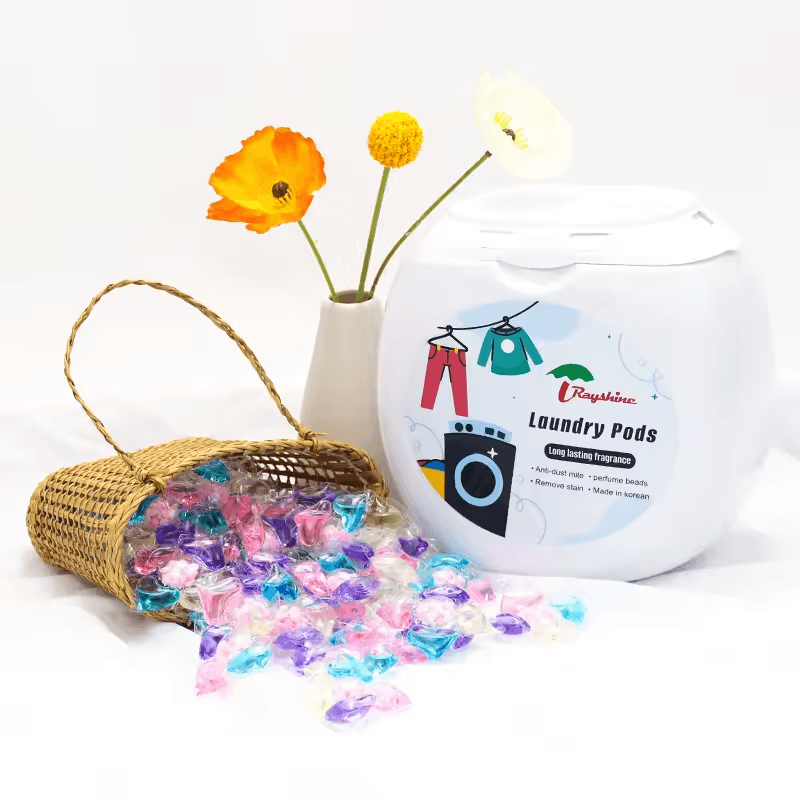
Laundry pods provide a convenient, pre-measured format.
They can be developed for different positioning requirements, including:
- Odor control
- Deep cleaning
- Concentrated cleaning
- Fragrance-focused products
- Sensitive or gentle formulas
For businesses interested in developing customized laundry pods, see our Laundry Pods Manufacturer and OEM Solutions.
Fabric Softeners
Fabric softeners can help improve softness and may provide additional fragrance or anti-static positioning depending on the formulation.
However, product claims should be based on actual formulation performance and testing rather than general assumptions.
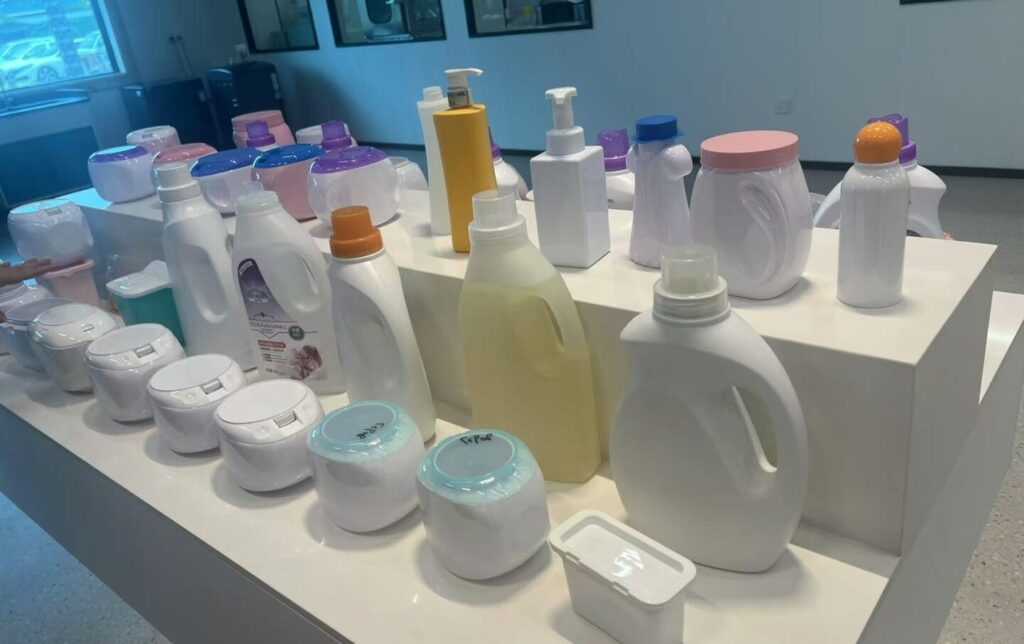
Laundry Additives
Depending on the market, laundry additives can include:
- Odor-control products
- Stain removers
- Scent boosters
- Fabric-care products
- Specialty laundry treatments
These products can create additional opportunities for retailers and brands developing a pet-focused laundry portfolio.
How to Reduce Pet Hair and Odor in Laundry
The most effective strategy is usually a combination of preventive care and appropriate laundry practices.
Before washing:
- Remove loose hair
- Shake fabrics
- Use a lint roller
- Separate heavily covered pet bedding
During washing:
- Avoid overloading the machine
- Use the appropriate detergent dosage
- Select a suitable washing cycle
- Consider an additional rinse when appropriate
After washing:
- Clean the dryer lint filter
- Remove remaining visible hair
- Clean the washing machine regularly
- Store clean laundry away from areas with heavy shedding
A recent Dyson guide similarly notes that pet hair can cling to fabrics due to factors including static and natural oils, and recommends removing as much loose hair as possible before laundering.
For Retailers & Brands: OEM Pet Laundry Product Opportunities
The increasing demand for pet care products creates new opportunities for retailers.
Brands can develop their own pet laundry product lines through OEM manufacturing.
IKEDA supports:
- Custom detergent formulas
- Private label packaging
- Bulk production
Learn more about our OEM laundry solutions.
Private Label Pet Laundry Products for Retailers, Distributors & Brands
Pet-focused laundry products can also represent an interesting product opportunity for retailers, distributors and private label brands.
Businesses entering this category may not want to sell a generic laundry detergent. Instead, they may want a product specifically positioned around the needs of households with dogs and cats.
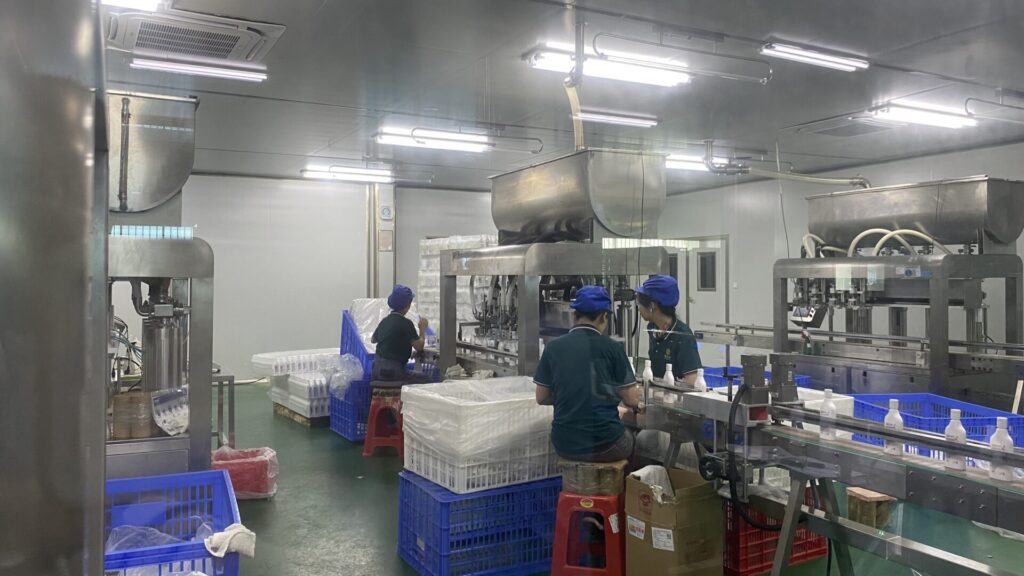
Potential product concepts include:
Pet Laundry Detergent
A detergent positioned around cleaning performance and pet-related laundry challenges.
Pet Odor-Control Laundry Products
Products designed around odor management for pet bedding, towels and clothing.
Laundry Pods for Pet Households
Convenient pre-measured products suitable for modern retail and e-commerce channels.
Custom Fragrance Options
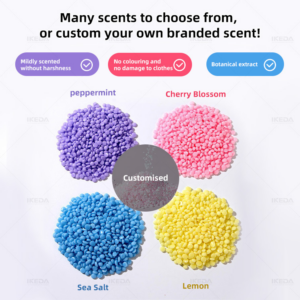
Different markets may prefer different fragrance profiles, fragrance intensity and freshness positioning.
Hypoallergenic or Gentle Formulas
If a business requires a gentle or sensitive-skin positioning, the formula should be developed and tested specifically for that claim.
Avoid making “hypoallergenic,” “pet-safe” or similar claims unless the product has appropriate substantiation for the target market.
Custom Packaging and Private Label
Retailers and brands can customize:
- Product format
- Formula
- Fragrance
- Packaging
- Label design
- Brand identity
- Product positioning
For more information about private label laundry detergent manufacturing, see our Private Label Laundry Detergent Manufacturer.
What Should Businesses Consider When Developing Pet Laundry Products?
For retailers, distributors and brands, developing a pet-focused laundry product requires more than choosing a fragrance and packaging design.
Consider the following:
1. Target Market
Is the product intended for:
- Supermarkets?
- Pet retailers?
- E-commerce?
- Distributors?
- Professional laundry?
- Household cleaning brands?
2. Product Format
Possible formats include:
- Liquid detergent
- Laundry pods
- Laundry sheets
- Powder detergent
- Scent beads
- Fabric softener
3. Formula Requirements
The formula may need to be developed around:
- Cleaning performance
- Odor control
- Fragrance
- Residue control
- Fabric compatibility
- Target-market regulations
4. Packaging
Packaging should match the target sales channel and product positioning.
For example:
Premium pet-care brand
may require very different packaging from:
Mass-market supermarket detergent.
5. Documentation and Compliance
For international markets, businesses may need documentation and compliance support appropriate to their destination market.
If you are evaluating ingredient or environmental positioning, resources such as the U.S. EPA’s Safer Choice criteria can also provide useful background on functional ingredient classes such as surfactants, enzymes, solvents and fragrances.
Can IKEDA Develop Private Label Pet Laundry Products?
Yes. IKEDA provides OEM and ODM solutions for laundry detergents, pods, sheets and fragrance beads, with customization covering areas such as formula development, packaging and fragrance.
For businesses developing a pet-focused laundry product line, potential customization can include:
- Laundry detergent formulas
- Laundry pods
- Laundry sheets
- Fragrance options
- Product packaging
- Private label branding
- Product format
- Bulk production
The exact formula, packaging specifications, MOQ and documentation should be evaluated according to the product and target market.
[Explore IKEDA OEM & ODM Laundry Detergent Solutions →]
Frequently Asked Questions
What is the best laundry detergent for pet hair?
The best laundry detergent for pet hair should provide effective cleaning performance while helping loosen soils and residues that can contribute to hair remaining attached to fabrics. A suitable product may also include odor-control and anti-static characteristics depending on its formulation and intended use.
However, detergent alone does not remove every strand of pet hair. Pre-treatment, washing technique, fabric type and drying conditions can all affect the final result.
Does laundry detergent dissolve pet hair?
No. Laundry detergent should not generally be described as literally dissolving pet hair.
Instead, an effective laundry process can help loosen hair and the soils or oils associated with it, allowing loose particles to be removed through washing and rinsing.
How can I remove pet hair from clothes before washing?
Start by shaking garments, using a lint roller or pet-hair removal tool, and separating heavily covered items such as pet bedding.
Removing loose hair before washing can reduce the amount of hair entering the washing machine.
What type of laundry detergent is best for pet odors?
Look for a formula developed around effective soil removal and odor management rather than simply relying on strong fragrance to mask odors.
For pet-focused product development, odor-control performance can be an important formulation and testing consideration.
Can laundry pods help with pet laundry?
Yes, laundry pods can provide a convenient pre-measured format for pet households.
However, the effectiveness of a pod depends on the formulation, dosage, washing conditions and type of laundry being cleaned.
For brands and distributors, laundry pods can also be developed as part of a private label laundry product portfolio.
How do I remove pet hair from blankets and pet bedding?
Shake or brush off loose hair before washing, avoid overloading the machine, and wash heavily soiled bedding separately when appropriate.
Use a detergent suitable for the fabric and follow the washing instructions provided by the textile and detergent manufacturers.
What ingredients are commonly considered when developing pet-focused laundry detergent?
Depending on the intended product positioning, manufacturers may consider surfactants, enzymes, builders, odor-control ingredients, fragrances and other functional components.
The final formulation should be selected based on performance requirements, safety considerations, target-market regulations and product testing. The EPA’s Safer Choice program provides a useful reference for understanding different functional ingredient classes.
Can manufacturers develop private label pet laundry detergents?
Yes. Private label manufacturers can develop customized laundry products for retailers, distributors and brands.
Customization may include formula, fragrance, product format, packaging and branding, depending on the manufacturer’s capabilities and the project requirements.
Can I order pet laundry products in bulk?
Yes. B2B laundry manufacturers may provide bulk supply for distributors, retailers, importers and brands.
For large-volume projects, buyers should evaluate MOQ, production capacity, quality control, packaging capabilities, documentation and export experience.
Develop Your Own Pet Laundry Product Line
Pet owners are creating new opportunities for retailers, distributors and consumer brands to develop specialized laundry products.
If you are looking for a manufacturing partner for pet-focused laundry detergent, laundry pods, laundry sheets or other private label laundry products, IKEDA can support product development from formulation and fragrance selection to packaging and bulk production.
Whether you are launching a new product line or expanding an existing laundry portfolio, the right manufacturing partner can help you develop products that fit your target market and business requirements.

Looking for a Private Label Pet Laundry Product Manufacturer?
Tell us about your product idea, target market, packaging requirements and expected order volume.
Related Laundry Solutions
OEM & ODM Laundry Detergent
For distributors, importers and brands looking for customized laundry products.
Explore OEM & ODM Solutions →
Private Label Laundry Detergent
Develop your own laundry brand with customized formulas and packaging.
Explore Private Label Manufacturing →
Laundry Pods
Explore laundry pod solutions for wholesale and private label projects.
Explore Laundry Pods →