The laundry care market continues to offer opportunities for brands, retailers, distributors, and importers looking to expand their product portfolios. As consumer preferences and retail requirements evolve, buyers are paying attention not only to cleaning performance but also to product formats, fragrance options, packaging, and brand differentiation.
For B2B buyers, choosing the right laundry products involves more than comparing prices. Product quality, manufacturing capabilities, customization options, packaging requirements, and supplier reliability all play an important role in building a competitive laundry care range.
In this article, we explore five product development areas worth watching in 2026 and explain what buyers should consider when sourcing laundry products from a manufacturer.

1. Laundry Pods: Convenient, Pre-Measured Detergent Formats
Laundry pods offer a pre-measured detergent format that can simplify product use and create a distinctive retail presentation. Their compact format also gives brands opportunities to develop different packaging styles and product positioning.
For importers and private label brands, key evaluation points include:
- Dissolution performance: Assess whether the product performs as expected under the washing conditions specified for the product.
- Formula consistency: Check product uniformity, appearance, and performance across batches.
- Packaging suitability: Evaluate moisture protection, package integrity, storage conditions, and ease of handling.
Product Safety and Regulatory Requirements: Laundry detergent pods require careful attention to product safety, packaging, and labeling. Buyers should review the applicable chemical regulations and product safety requirements in their target markets. For European market requirements, the European Chemicals Agency (ECHA) provides official information on chemical legislation and regulatory obligations.
Before placing an order, buyers should also confirm the relevant product documentation, warning information, and packaging specifications with their manufacturer.
Working with an experienced laundry pods manufacturer can help buyers assess available formulas, packaging formats, and private label development options.

2. Laundry Sheets: An Alternative Format for Laundry Care
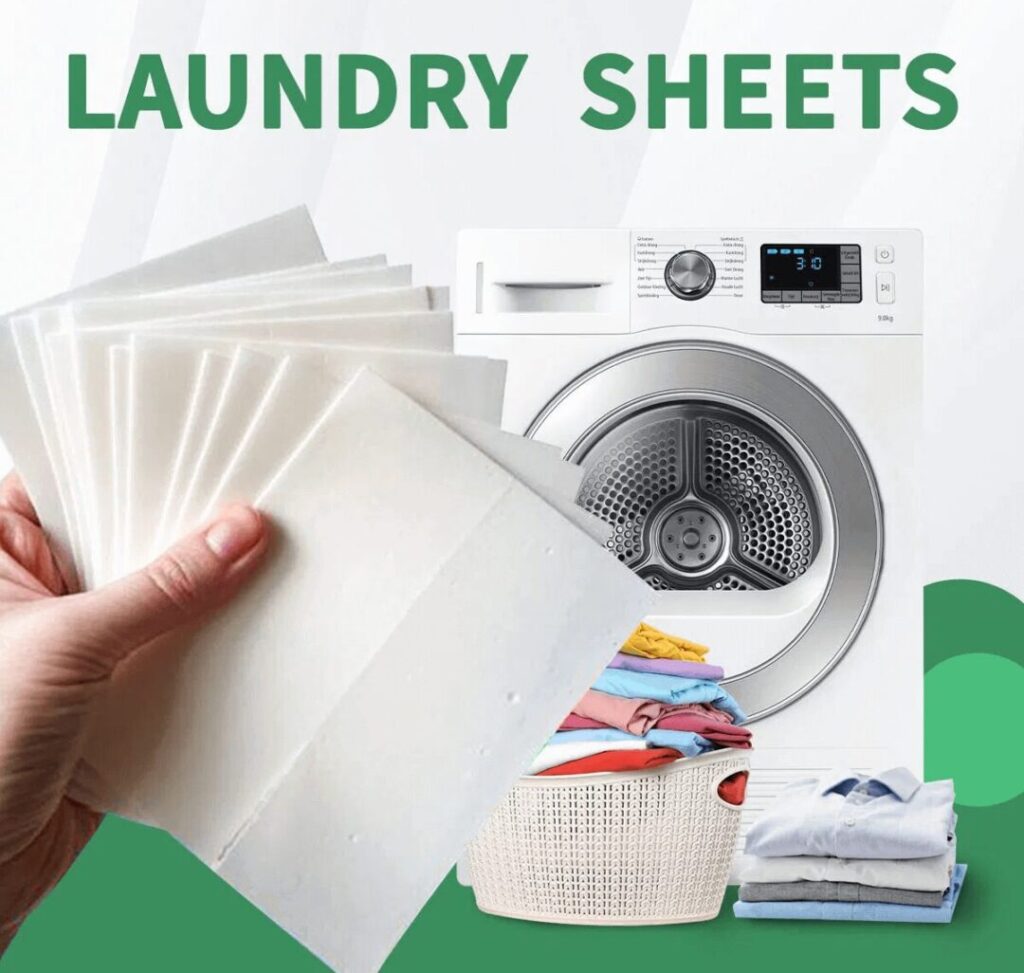
Laundry sheets are another format that brands may consider when developing or expanding a laundry care portfolio. Their lightweight, compact format can offer packaging and logistics advantages, depending on the product design and distribution model.
When evaluating laundry detergent sheets, B2B buyers should consider:
- Dissolution: How does the sheet perform under the recommended washing conditions?
- Cleaning performance: Has the formula been tested for the intended applications?
- Sheet strength: Can the product be handled, packed, and transported without excessive tearing or damage?
- Packaging protection: Does the packaging help protect the sheets from moisture during storage and transportation?
- Scent options: Are fragrance choices available to match the target market and brand positioning?
Product claims such as biodegradable, plastic-free, or residue-free should only be used when they are supported by appropriate evidence and testing.
For brands exploring this category, a laundry sheets manufacturer should be able to explain the available product specifications, packaging options, and customization possibilities.
3. Liquid Laundry Detergent: Formula and Packaging Development
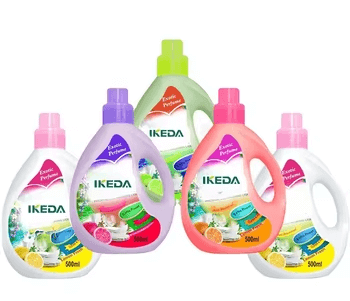
Liquid laundry detergent remains an important format for many retail and wholesale product ranges. It gives brands flexibility in product positioning, bottle sizes, fragrance options, and formula development.
For B2B buyers, product evaluation should cover more than appearance and price.
Important considerations include:
- Formula requirements: Define the intended product positioning and performance requirements before selecting a formula.
- Viscosity and appearance: Check whether the product meets the agreed specifications.
- Fragrance: Evaluate scent options and consistency.
- Packaging formats: Consider bottle sizes, closures, labels, and outer packaging.
- Transportation: Review packaging strength and leakage prevention during handling and shipment.
A qualified liquid laundry detergent manufacturer should be able to discuss product specifications, available formulas, packaging compatibility, and development requirements.
For private label projects, buyers should confirm which formula and packaging elements can be customized and which are available as existing options.
Some brands may also consider voluntary environmental and ingredient-related product programs when developing laundry care products for the US market. The EPA Safer Choice program provides information about its product criteria and ingredient requirements.
For manufacturers and brand owners, reviewing such programs early in the product development process can help clarify formulation goals and market positioning. Any claims relating to program recognition should only be made when the specific product has met the applicable requirements and received the relevant approval.
4. Fragrance Development: Fabric Softener and Scent Booster Beads
Fragrance is an important part of laundry care product positioning. It can help brands build recognizable product ranges and create different options for their target customers.
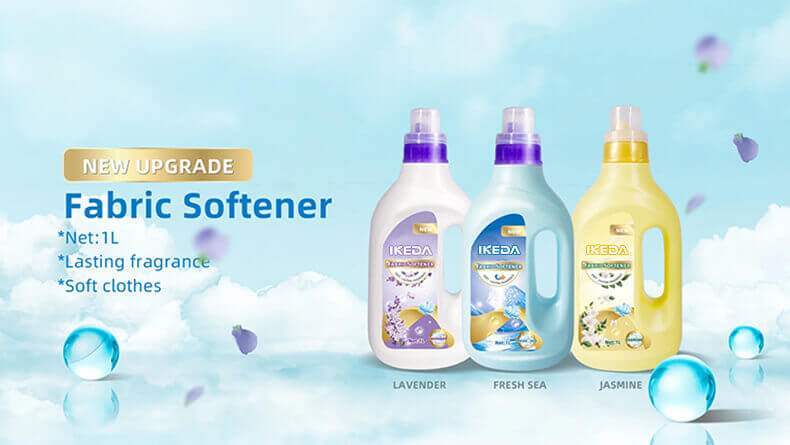
Beyond detergent, buyers may consider complementary products such as fabric softener and scent booster beads to develop a broader laundry care collection.
When sourcing fragrance-related laundry products, buyers should evaluate:
- Available fragrance options and sample availability.
- Fragrance consistency between production batches.
- Compatibility with the intended product formula.
- Fragrance performance under the product’s recommended use conditions.
- Applicable fragrance and chemical requirements in the destination market.
A coordinated product range may include laundry detergent, fabric softener, and scent booster beads with complementary fragrance profiles. However, the final fragrance selection should be based on product testing and the preferences of the target market.
For brands developing a new range, formula development and fragrance customization can help align products with a specific market position.
5. Private Label and Custom Packaging: Building a Distinctive Laundry Care Range
For retailers, distributors, and brand owners, private label products provide an opportunity to develop a laundry care range under their own brand.
Customization may involve several areas:
- Product selection: Choose from laundry pods, laundry sheets, liquid laundry detergent, fabric softener, and scent booster beads.
- Formula development: Discuss formula requirements and available development options.
- Fragrance selection: Evaluate available fragrance choices for the intended market.
- Packaging design: Develop packaging formats, labels, and visual elements that match the brand.
- Product range planning: Coordinate different laundry care products into a consistent collection.
Before starting a project, buyers should clarify minimum order quantities, sample procedures, development timelines, packaging specifications, and quality requirements.
A manufacturer offering OEM, ODM, private label, and custom packaging services can support different project requirements, from sourcing existing products to developing a more customized range.

How B2B Buyers Should Evaluate a Laundry Products Manufacturer
Choosing a supplier is a key decision for any laundry care sourcing project. Buyers should assess the manufacturer’s capabilities against their product, market, and business requirements.
Here are six areas worth reviewing:
1. Product Range
Can the manufacturer supply the product categories you need, such as laundry pods, laundry sheets, liquid detergent, fabric softener, and scent booster beads?
2. Manufacturing Capabilities
Ask about production processes, quality control procedures, product specifications, and the manufacturer’s ability to maintain consistent production.
Clarify whether the supplier can provide existing products, customize products to your requirements, or support new product development.
4. Packaging Options
Check available packaging formats, customization possibilities, labeling requirements, and packaging protection during transportation.
5. Quality Documentation
Request relevant product specifications, test reports, safety documentation, and other documents required for your destination market.
6. Communication and Order Support
Discuss sampling, order requirements, production schedules, shipment arrangements, and the process for handling product feedback.
A clear evaluation process can help buyers reduce sourcing uncertainty and establish a more reliable supplier relationship.

Work with IKEDA to Develop Your Laundry Product Range
IKEDA is a laundry products manufacturer offering a range of laundry care products for international B2B customers.
Our product range includes:
- Laundry Pods
- Laundry Sheets
- Liquid Laundry Detergent
- Fabric Softener
- Scent Booster Beads
We support different sourcing and product development requirements through OEM, ODM, private label, custom packaging, formula development, and wholesale supply of existing products.
Whether you are expanding an existing laundry care range or developing a new private label collection, our team can discuss your product requirements and explore suitable manufacturing options.
Looking for a Laundry Products Manufacturer?
Contact IKEDA to discuss your product ideas, packaging requirements, and wholesale or private label sourcing needs.